Chingford Mount Garden Clearance Case Study by Local Gardeners
If you are staring at an overgrown garden in Chingford Mount and wondering where on earth to start, you are not alone. A proper garden clearance can feel bigger than it first looks: tangled brambles, broken pots, old timber, stubborn weeds, and the odd surprise hiding in the borders. This Chingford Mount garden clearance case study by local gardeners looks at how a professional team approaches that kind of job in a calm, practical way, what the process usually involves, and why local know-how makes a real difference.
Rather than just talking about "clearing a garden" in the abstract, this article breaks down the real decisions people face. Should everything go in one visit? What can be recycled? When does clearance become part of broader garden maintenance or landscaping? And how do you make sure the result is not just tidy for a day, but actually useful for the next stage? Let's get into it.
Table of Contents
- Why Chingford Mount Garden Clearance by Local Gardeners Matters
- How the Garden Clearance Process Works
- Key Benefits and Practical Advantages
- Who This Is For and When It Makes Sense
- Step-by-Step Guidance
- Expert Tips for Better Results
- Common Mistakes to Avoid
- Tools, Resources and Recommendations
- Law, Compliance, Standards, or Best Practice
- Options, Methods, or Comparison Table
- Case Study or Real-World Example
- Practical Checklist
- Conclusion
- Frequently Asked Questions
Why Chingford Mount Garden Clearance by Local Gardeners Matters
Garden clearance is not just a "clear the mess" job. In a busy part of London like Chingford Mount, outdoor spaces often have a lot going on at once: limited access, shared boundaries, mature planting that has got out of hand, and surfaces that may need careful protection while the work is done. A local team tends to understand those practical realities better than a generic, one-size-fits-all approach.
That local awareness matters because clearance affects more than appearance. It changes how safely you can move around the garden, how much light reaches the house, whether damp is being trapped near walls or fences, and how ready the space is for mowing, hedge trimming, or a full redesign. Truth be told, many "messy gardens" are really just neglected spaces that need a sensible reset.
There is also the human side. People often put off clearance because they do not know how to deal with it, or because it feels embarrassing to ask for help. A good local gardener does not judge. They look, assess, and get on with the work. Simple, but important.
If the job is part of a wider property refresh, it can also connect naturally with garden maintenance, patio cleaning, or even landscaping later on. That sequence is often the smartest way to avoid doing the same job twice.
How Chingford Mount Garden Clearance by Local Gardeners Works
Most garden clearance projects follow a fairly straightforward pattern, although every plot throws up its own little surprises. One garden may need mostly green waste removal. Another may need a combination of pruning, cutting back, lifting debris, and careful sorting of recyclable materials.
The usual first step is assessment. A local gardener will look at what is in the garden, what access is available, what needs to stay, and what must go. That might include overgrown shrubs, dead plants, old compost bags, collapsed fencing sections, broken planters, and general accumulated rubbish. In some cases, a section of the job may overlap with hedge trimming or tree lopping and removal if the overgrowth is especially dense.
Next comes the sorting stage. A careful team separates green waste from bulky waste where possible, and keeps an eye out for anything that should be handled with more care. If a garden contains damaged timber, rusty fixtures, or sharp fragments, those are dealt with thoughtfully rather than just thrown into a pile. It sounds obvious, but that is where a lot of rushed work falls short.
Then comes the physical clearance itself. This is the noisy, sweaty part, the bit where you hear the snip of shears, the scrape of forks, and the reassuring thud of cuttings landing in the right place. After that, the site is usually tidied, swept through, and checked so the space is safe to use or ready for the next stage.
For larger jobs, the team may coordinate with gardening services or even a broader landscape gardening plan. That keeps the whole process joined up instead of piecemeal.
Key Benefits and Practical Advantages
The main benefit of a garden clearance is obvious: you get your space back. But the practical advantages go a bit deeper than that.
- Better access: Paths, bins, sheds, and borders become easier to reach.
- Safer movement: Fewer trip hazards, fewer hidden sharp edges, fewer awkward piles of waste.
- Improved light and airflow: Cutting back dense growth can reduce that dark, closed-in feel.
- Stronger foundation for future work: Lawn care, planting, repairs, or fencing are all easier once the area is clear.
- Less stress: A cleared garden is mentally lighter. You notice that quickly.
There is also a practical money angle. A proper clearance can save time later because the next contractor, or the same local gardener, does not have to work around clutter and overgrowth. If the end goal is a neat, manageable outdoor space, a clearance visit is often the most efficient first move.
And to be fair, people often underestimate how much better a garden can look after one thorough visit. Not "perfect," not magazine-perfect. Just usable. Which is usually the real goal.
Who This Is For and When It Makes Sense
Garden clearance makes sense for a wide range of people. Homeowners often need it before summer use, after winter damage, or ahead of a property sale. Landlords may need a quick reset between tenancies. Older residents sometimes need help when upkeep has become physically difficult. Families may simply have let things slide through a busy year. Happens to the best of us.
It is also useful if you have inherited a property, moved into a garden that has been neglected for months, or inherited a shed-and-border situation that looks like it has been quietly fighting back for years. In those cases, the job is not just about appearance. It is about getting to a baseline where you can see the actual structure of the garden again.
Think of it this way: if you cannot tell where the lawn ends and the flower bed starts, you probably need clearance before anything else.
It also makes sense if you are planning:
- a new planting scheme
- fence repairs or replacement via fencing
- patio restoration or cleaning
- regular mowing and upkeep
- tree work that needs safe access
Step-by-Step Guidance
Here is a clear, practical way to think about the process. Not flashy. Just the sequence that usually works best.
- Walk the garden first. Note what is staying, what is going, and what looks fragile. Old pots, buried edging, hidden stones, that sort of thing.
- Separate the obvious waste. Green waste, bulky waste, and reusable items should not be mixed blindly.
- Check access points. Side gates, rear alleys, and narrow passages can affect how the work is done. In Chingford Mount, access can be the thing that decides how long a job takes.
- Clear the tallest and thickest growth first. This opens the space and reveals what is underneath.
- Remove accumulated debris. Bags, broken materials, and loose waste should go out before finer tidying begins.
- Rake, sweep, and inspect. This is where the real finish happens. It is not glamorous, but it matters.
- Decide the next step. Some gardens stop at clearance. Others move straight into lawn care, planting, or maintenance.
If a section involves heavy or awkward vegetation, a local gardener may bring in specialist help from tree surgery or more targeted cutting work. That is not overkill. It is just the sensible way to handle jobs that are bigger than a quick trim.
Expert Tips for Better Results
A few small choices make a big difference. In our experience, the best garden clearance outcomes come from planning the job around how the space will be used afterwards, not just around what looks messy today.
Tip 1: Clear in the right order. Start high, then move low. Shrubs and overhanging branches first, ground-level waste after. If you reverse that, you end up doing some areas twice. Annoying, and avoidable.
Tip 2: Keep one area as a staging point. Even a small patch near the gate can help the work flow. It sounds minor, but it saves lots of back-and-forth.
Tip 3: Protect features you want to keep. Patio edges, raised beds, and decking are easy to damage if they are hidden under debris. If the garden includes outdoor structures, a careful team will work around them and may even suggest follow-up work such as decking services or patio cleaning after the clearance.
Tip 4: Don't chase perfection on day one. A first clearance is often about control, not completion. Get the garden back into shape, then refine it.
Tip 5: Ask about disposal and recycling early. Good teams explain what happens to the waste. That is a trust issue as much as a practical one.
Expert summary: The best garden clearance is one that leaves the space tidy, safe, and ready for what comes next. Not just empty. Ready.
Common Mistakes to Avoid
Most clearance problems are not dramatic. They are just small missteps that add time, cost, or frustration.
- Starting without a plan: You end up moving the same pile around the garden three times. Classic.
- Mixing everything together: Green waste, metal, timber, and general rubbish should not all be treated the same way.
- Ignoring access issues: If the route out is tight, the whole job needs to be organised around that.
- Cutting too much, too soon: Sometimes overgrown plants hide structure, drainage issues, or boundary lines.
- Forgetting the end use: A cleared garden meant for lawn restoration needs a different finish from one being turned into a low-maintenance space.
- Skipping safety checks: Hidden glass, unstable piles, and unknown waste should be handled carefully.
The biggest mistake of all? Treating clearance as if it is the final step. It rarely is. Often it is the opening move in a bigger tidy-up or improvement plan.
Tools, Resources and Recommendations
A reliable garden clearance team usually relies on a practical mix of hand tools and handling gear rather than anything fancy. The point is control, not showmanship.
Typical tools and equipment may include:
- loppers and shears
- rakes and forks
- spades and shovels
- heavy-duty bags or containers for waste
- wheelbarrows or carrying aids
- protective gloves and eye protection
- brushes and brooms for the finish
From a homeowner's point of view, the most useful "resource" is actually a short pre-visit note. You do not need to write a novel. Just tell the gardener what worries you most, what must stay, and whether you want the garden left ready for the next stage. That saves everybody time.
If you are comparing wider services, it can help to look at lawn care if grass recovery is the next priority, or lawn mowing if the garden is already clear enough to maintain. For ongoing upkeep, garden maintenance is usually the logical follow-on.
Law, Compliance, Standards, or Best Practice
For garden clearance in the UK, the key issue is usually not one single law, but a bundle of sensible responsibilities around waste handling, site safety, and good practice. If a team is removing green waste or mixed debris, it should be clear where the material is going and how it is being handled. That transparency matters.
Good practice also means taking care with sharp waste, unstable stacks, and anything that could injure someone or damage a neighbouring property. Local work often happens close to fences, sheds, shared paths, or driveways, so a cautious, tidy approach is worth more than speed alone.
Reputable gardeners should also be clear about insurance and safety, especially when work involves heavy lifting, ladders, cutting tools, or awkward access. If you want to check how a provider talks about that side of the job, pages like health and safety policy, insurance and safety, and recycling and sustainability are useful signals that the business thinks beyond the immediate task.
Best practice is simple, really: be clear, be safe, be tidy, and do not leave waste handling vague. If something is uncertain, ask. That is better than guessing. Every time.
Options, Methods, or Comparison Table
Different gardens need different approaches. A quick tidy and a full clearance are not the same thing, even though people often use the phrases interchangeably. Here is a simple comparison to help you judge what you actually need.
| Approach | Best For | What It Usually Includes | Main Limitation |
|---|---|---|---|
| Light tidy-up | Gardens that are mostly under control | Weeding, sweeping, minor cut-back | Not enough for heavy overgrowth or bulky waste |
| Standard garden clearance | Overgrown or cluttered gardens | Removal of debris, cut-back, general reset | May not address deeper layout issues |
| Clearance plus maintenance | People who want a lasting result | Clearance followed by ongoing care | Needs a little planning and follow-up |
| Clearance plus landscaping | Gardens being redesigned or upgraded | Removal, preparation, then redesign work | More time and coordination required |
In many Chingford Mount gardens, the best route is standard clearance first, then maintenance. It keeps the job manageable and avoids rushing into bigger decisions before the space is properly visible.
Case Study or Real-World Example
Here is a realistic example of how a local team might handle a Chingford Mount job. This is a composite illustration, not a claim about one named household, but it reflects the kind of work local gardeners often see.
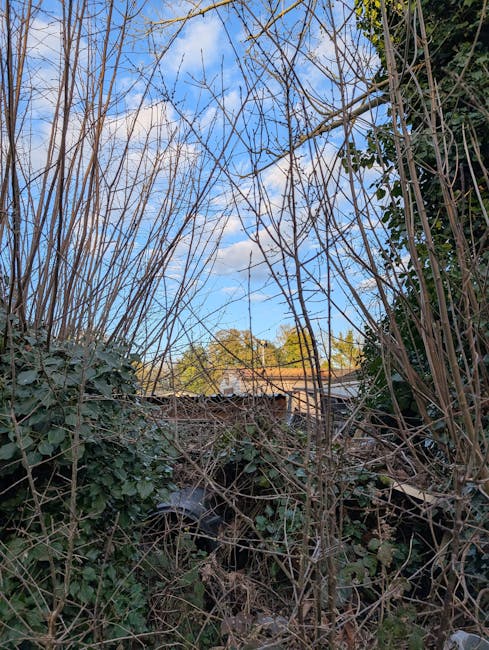
A rear garden had become difficult to use after several months of neglect. There were brambles pushing out from the fence line, an overgrown shrub bed, scattered broken planters, a patchy patio, and a lawn area that was more moss than grass. The homeowner wanted the space cleared before deciding whether to keep it as a family garden or move towards a more low-maintenance layout.
The first visit focused on access and sorting. The gate was narrow, so the team planned the work in sections rather than trying to haul everything out at once. That alone saved time. The taller growth was cut back first to reveal the hard surfaces and boundaries. Once the obvious debris was removed, the team could see where the real problems were: compacted soil, an uneven edge near the path, and a section of fence that had been hidden by old growth.
After clearance, the garden looked smaller for a moment. That is normal. Then, once swept and opened up, it felt bigger and brighter. Not finished, but usable. The homeowner could then decide whether to invest in landscaping, keep it simple with garden maintenance, or introduce targeted improvements like fencing work.
What made this kind of job successful was not a dramatic transformation. It was the order of operations. Clear first, assess second, improve third. That sequence sounds boring. It works, though.
Practical Checklist
Use this checklist before and during a garden clearance visit. It helps keep the job efficient and stops important details slipping through the cracks.
- Identify what must stay in the garden
- Flag any fragile plants, fittings, or features
- Check access through gates, side passages, or shared paths
- Ask where waste will be taken and how it will be sorted
- Confirm whether the job is clearance only or clearance plus follow-up work
- Remove personal items, tools, and valuables before the visit
- Note any hidden hazards such as glass, nails, or unstable piles
- Decide whether the next step is lawn care, hedge trimming, fencing, or landscaping
- Make sure the finish level is clear: rough clear, tidy finish, or ready-for-use
- Ask about safety, insurance, and any relevant company policies
A quick checklist can save a lot of back-and-forth. And yes, it really does make the day smoother.
Conclusion
A Chingford Mount garden clearance by local gardeners is about more than removing mess. It is about creating breathing room, restoring access, and making a garden feel manageable again. For some people that means preparing for a full redesign. For others it means getting the space back to a simple, clean state that can be maintained without stress.
The most successful clearances are usually the ones that balance speed with care. Local knowledge helps with access, disposal, weather timing, and the realities of working in established London gardens. More importantly, it helps the work feel grounded and sensible rather than rushed.
If your garden has got away from you a bit, that is not the end of the story. It is just the point where a proper reset starts to make sense.
Get a free quote today and see how much you can save.
And if you are ready to take the next step, a calm, well-planned clearance can turn a stressful corner into a space you actually want to step into again.
Frequently Asked Questions
What does garden clearance usually include?
Garden clearance usually covers the removal of overgrowth, weeds, cuttings, debris, broken garden items, and other unwanted materials. Depending on the site, it can also include light pruning, tidying borders, and preparing the space for further work.
How is garden clearance different from garden maintenance?
Garden clearance is the reset stage. It deals with neglected, cluttered, or overgrown spaces. Garden maintenance is the ongoing upkeep that keeps the garden looking tidy after the clearance has been completed.
How long does a garden clearance take?
It depends on the size of the garden, the amount of waste, and how easy it is to access the space. A small, straightforward garden may be cleared quickly, while a heavily overgrown one can take much longer. There is no single standard answer, honestly.
Can a garden clearance include hedge trimming or tree work?
Yes, it often can, if the overgrowth includes hedges or small trees that need cutting back. In some cases, specialist work such as tree surgery may be more appropriate for safety and best results.
Do I need to prepare anything before the gardeners arrive?
It helps to move personal items, unlock access gates, and point out anything that should not be removed. A short walk-through at the start saves time later and reduces the chance of mistakes.
What happens to the waste after a clearance?
Waste is normally sorted and taken away for appropriate disposal or recycling where possible. Good practice is to keep green waste separate from other materials, and to explain clearly what will happen to the waste before work begins.
Is garden clearance suitable before selling a property?
Yes, very much so. A cleared garden usually improves first impressions, makes the property feel easier to maintain, and helps buyers see the space rather than the mess. It can be a smart, practical pre-sale step.
What if my garden has damaged fencing or a broken patio?
Those issues can often be identified during the clearance and then handled as follow-up work. Depending on what is found, you may want to look at fencing, patio cleaning, or broader landscaping afterwards.
How do I know whether I need clearance or a full redesign?
If the garden is simply cluttered or overgrown, clearance may be enough. If the layout no longer works, drainage is poor, or the space needs a new structure, then landscaping may be the better next stage. Sometimes you only know once the space is cleared, which is fair enough.
Are local gardeners better for Chingford Mount jobs?
Local gardeners often bring better knowledge of access, typical garden styles, and the practical challenges common in the area. That can make planning easier and the job smoother, especially where space is tight or boundaries are awkward.
What should I ask before booking a clearance service?
Ask what is included, how waste is handled, whether the team is insured, what the finish will look like, and whether there are any limitations on access or disposal. A good provider should be able to answer those questions clearly and without fuss.
Can clearance be combined with ongoing upkeep?
Yes. In fact, that is often the best route. Once the initial clearance is done, ongoing garden maintenance, lawn care, and occasional hedge trimming help stop the garden from slipping back into the same state.