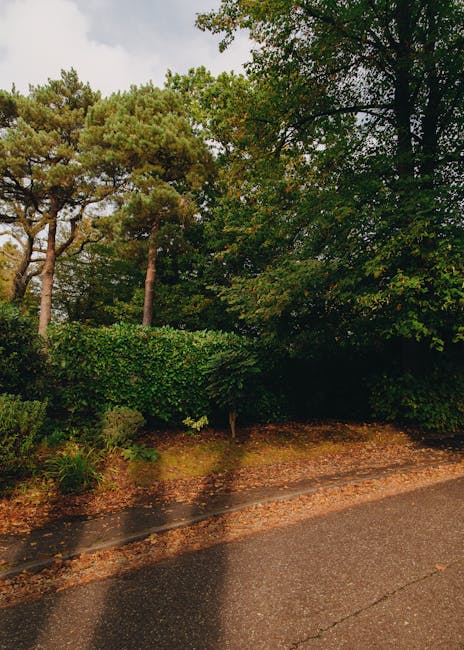
Chingford Epping Forest Frontage Garden Guide for Gardeners
If you are working on a front garden near Epping Forest, you already know it is a slightly different game. The light shifts, the wind sneaks through, the soil can be fussy, and the frontage has to look good from the street while still being practical day to day. This Chingford Epping Forest frontage garden guide for gardeners is designed to help you plan a space that feels welcoming, low-fuss, and properly suited to the local setting. Whether you want a sharper kerb appeal, more privacy, better planting structure, or simply a frontage that does not look tired by October, you will find a clear way through it here.
To be fair, front gardens do a lot of heavy lifting. They are the first thing people see, but they also deal with bins, bikes, foot traffic, pets, kids, salt spray in winter, and the occasional "I'll fix that later" moment that turns into three seasons. Let's make it manageable.
Why Chingford Epping Forest Frontage Garden Guide for Gardeners Matters
The front of a property in Chingford, especially near the edges of Epping Forest, tends to face a mix of pressures. You may be dealing with shade from mature trees, root competition, dry patches under canopies, and a bit more leaf fall than your average suburban plot. On top of that, frontage gardens have to look intentional from the pavement. There is nowhere to hide a messy patch or a half-finished bed for long.
That is why a frontage-focused approach matters. It is not just about "pretty plants". It is about building a front garden that can cope with local conditions while still giving a neat, attractive first impression. If your current space feels awkward, overgrown, or dull, the fix is usually not more effort. It is better structure.
In practice, that means choosing plants that can cope with partial shade, variable moisture, and the occasional gust of wind. It also means deciding where hard surfaces, edging, and access routes should sit before you start buying plants on impulse. A lot of front gardens go wrong because the planting idea came first and the daily use came second. You can guess how that ends.
If you are starting from a tangled or neglected frontage, it may help to read about bringing an overgrown garden back under control before you begin. It pairs well with the planning advice here.
How Chingford Epping Forest Frontage Garden Guide for Gardeners Works
The guide works by breaking the frontage into parts: structure, planting, maintenance, and weather resilience. That sounds obvious, but in a small front garden those four pieces affect each other more than people expect.
Start with structure. Ask yourself where people walk, where sightlines matter, and what should stay open. Then look at the growing conditions. Is the space bright and exposed, dappled under trees, or shaded for much of the day? Does rain drain away quickly, or do you get soggy corners after a downpour? Once you know that, plant selection becomes much easier.
From there, think in layers. A frontage that looks good all year usually has a mix of:
- evergreen structure such as compact shrubs, hedging, or climbers
- ground-level cover to suppress weeds and soften the edges
- seasonal interest through flowers, foliage colour, berries, or bark
- practical surfaces like gravel, paving, or stepping stones where needed
This is also where the "frontage" part of the job becomes more than ornamental. A neat edge, a sensible path, and a strong plant framework can make a small property look calmer immediately. You do not need loads of square footage. You need the right decisions. That's the trick, really.
For a broader design mindset, the ideas in these essential gardening tips are useful when you want to avoid the usual beginner traps.
Key Benefits and Practical Advantages
A well-planned frontage near Epping Forest does more than look tidy. It can solve daily problems and reduce long-term maintenance. That is the bit people tend to appreciate after the first season, when the garden is still looking decent and not demanding a rescue mission every weekend.
- Better kerb appeal: A balanced front garden makes the whole home feel more cared for.
- Lower weed pressure: Dense planting and mulching reduce bare soil, which usually means fewer weeds.
- Improved privacy: Thoughtful hedging or screening can soften views from the street without making the space feel closed in.
- More weather resilience: Planting for local conditions reduces the damage caused by wind, frost, and summer dry spells.
- Cleaner boundaries: Defined edges help keep paths, borders, and drive access looking sharp.
- Year-round usefulness: A frontage can be attractive in February as well as June if the structure is right.
There is a deeper benefit too: a front garden that works with the site tends to be easier to maintain. That matters if you are short on time, not especially keen on constant pruning, or simply tired of redoing the same bed every spring. Truth be told, low-maintenance is often just smart maintenance done once.
If you want ideas for resilient planting, the article on ground cover plants for a lush UK garden is a good companion piece.
Who This Is For and When It Makes Sense
This guide is for gardeners who want the frontage to feel intentional, not accidental. That includes homeowners with small front plots, people with shaded spaces near mature trees, landlords who need a presentable entrance, and gardeners who want better results without turning the whole thing into a high-maintenance project.
It also makes sense if you are in one of these situations:
- your front garden feels too exposed and windswept
- the space gets heavy leaf fall from nearby trees
- the soil dries out quickly in summer
- weeds keep coming back through thin borders
- you want more privacy but do not want a fortress effect
- the frontage is shaded and never seems to thrive
If the garden is already mature, this approach can help refine it. If it is neglected, it can help you reset it in stages rather than trying to "finish" everything in one exhausting burst. There is no shame in starting small. In fact, starting small is often the most sensible thing you can do.
For anyone dealing with a tired entrance, low-maintenance gardening ideas on a budget can make the early decisions a lot easier.
Step-by-Step Guidance
Here is a practical way to build or improve a frontage garden without overcomplicating it.
- Assess the site honestly. Watch where the sun lands, where water collects, and which parts feel cramped or too open.
- Define the function. Decide what the frontage must do: welcome visitors, soften a fence, frame a path, reduce visibility, or all four.
- Clear and simplify. Remove dead growth, self-seeded clutter, and anything that blocks the plan. If it has turned into a thicket, start with a tidy-up first.
- Set the bones. Add or sharpen edges, narrow paths if needed, and choose where the strongest evergreen structure will sit.
- Improve the soil. Front gardens often need compost, organic matter, or drainage correction. Soil is the quiet hero here. A bit boring, yes, but essential.
- Choose plants for the conditions. Pick species that suit shade, wind, drought, or heavier soil rather than trying to force a "dream list".
- Layer the planting. Mix heights and textures so the frontage looks complete even when one plant is out of season.
- Add mulch or ground cover. This helps keep moisture in and weeds down. It also makes the border look finished rather than bare.
- Plan the maintenance rhythm. Decide what needs monthly attention and what only needs seasonal care.
A useful way to think about it: build the space so that it still looks decent if you miss a week. Or two. Life happens.
If you need ideas for compact plants and layered planting styles, vertical garden designs can inspire a smarter use of limited frontage space.
Expert Tips for Better Results
A few practical adjustments can make a big difference in a Chingford frontage garden, especially where Epping Forest conditions bring shade, root pressure, and regular leaf litter.
- Work with shade rather than against it. In dappled or partial shade, many people overreach with sun-loving plants that slowly decline. Shade-tolerant shrubs, climbers, and ground covers usually give a better long-term result.
- Use repetition. Repeating a small number of plants creates calm. Too many species in a small frontage can look busy and a bit confused.
- Keep the front edge crisp. A clean line between pavement, path, and planting bed makes even modest planting look intentional.
- Choose one focal point. A gateway plant, standard shrub, neat container, or specimen tree can give the eye somewhere to settle.
- Remember winter. The garden will be seen in bare months more often than people think. Good bark, evergreen structure, and architectural shapes matter.
- Mulch generously. Especially in areas that dry out beneath trees. It helps, simple as that.
One little rule we use a lot: if a plant needs pampering every few days to survive the frontage, it probably belongs somewhere else. Harsh? Maybe. Accurate? Absolutely.
For wind-prone spots, the advice in protecting your garden from strong winds is well worth reading alongside this guide.
Common Mistakes to Avoid
Most frontage problems come from a few repeat mistakes. The good news is they are avoidable once you spot them.
- Planting for a catalogue image instead of the site. Pretty is nice. Suitable is better.
- Ignoring shade and root competition. Mature trees can change everything. You may have less moisture, less light, and less available soil than you think.
- Making borders too narrow. Very thin beds can look neat for a while, then become awkward and underpowered.
- Overcrowding with different species. A frontage needs rhythm. Too much variety can break it.
- Using the wrong hedge height. Screening is useful, but a hedge that blocks light or sightlines can feel oppressive.
- Skipping maintenance planning. Even a low-maintenance design still needs occasional pruning, weeding, and tidying.
A lot of people also underestimate how quickly weeds exploit bare soil at the front of a house. They seem to appear overnight, almost cheekily. If weeds are already a problem, these weed control methods are a practical next step.
And if the frontage has become truly unruly, the guide on starting with overgrown gardens gives a calmer way to tackle the mess.
Tools, Resources and Recommendations
You do not need a van full of kit to improve a frontage garden, but having the right basics saves time and a lot of backache. A tidy, focused toolkit is usually enough.
| Tool or resource | Why it helps | Best use in a frontage garden |
|---|---|---|
| Hand fork and border spade | For weeding, planting, and edging in tighter spaces | Small beds, narrow borders, around paving |
| Bypass secateurs | Clean pruning cuts on shrubs and soft stems | Regular shaping and deadheading |
| Long-handled loppers | Safer reach for thicker stems | Hedges, older shrubs, awkward front corners |
| Mulch or compost | Improves soil and cuts down on moisture loss | Beds under trees or exposed front plots |
| Edging tool | Keeps the border line sharp and tidy | Along paths, drives, and pavement edges |
| Garden plan sketch | Stops accidental overcrowding and layout drift | Planning before planting, especially in small spaces |
For gardeners who prefer a more hands-off approach, a well-planned maintenance routine can make all the difference. The page on garden maintenance support is useful if you want the frontage kept tidy through the seasons.
If your idea of gardening gear shopping is "I'll just grab whatever is on sale and hope for the best", you are not alone. But a quick look at must-have gear for garden enthusiasts can help you buy once and buy well.
Law, Compliance, Standards, and Best Practice
For a frontage garden, the main compliance concerns are usually practical rather than dramatic. You are mainly thinking about visibility, safe access, boundary respect, and responsible work near roads, paths, or shared edges.
Good practice in the UK generally means:
- keeping access routes clear and safe
- ensuring planting does not obstruct public footpaths or sightlines
- checking boundary ownership before altering fences, hedges, or walls
- being careful with pruning near utilities, walls, and overhead lines
- using suitable protective equipment for cutting, lifting, and chemical-free control methods
If you are using ladders, hedge tools, heavy pruners, or clearing a large frontage, risk awareness matters. It sounds dry, I know, but it avoids injuries and disputes. For a sensible overview, the site's health and safety guidance and insurance and safety information are worth keeping in mind before larger jobs.
If you are hiring help, it is also smart to read the terms and conditions, the payment and security information, and the complaints procedure. Not because anything is likely to go wrong, but because good projects are built on clarity. That is just common sense.
For privacy, cookies, and wider site use, the relevant policy pages are available too, including privacy policy, cookie policy, and accessibility statement. If you want to know more about the people behind the work, about the team gives useful context.
Options, Methods, or Comparison Table
Not every frontage garden needs the same approach. Some are best kept simple and structural, while others benefit from a softer, more planted look. Here is a straightforward comparison to help you decide.
| Approach | Best for | Strengths | Trade-offs |
|---|---|---|---|
| Minimal hardscape with planting | Small spaces, neat modern frontages | Low visual clutter, easier upkeep | Needs good plant choice to avoid looking bare |
| Layered mixed border | Traditional homes, wider front gardens | Rich texture, seasonal interest, wildlife value | More pruning and occasional reshaping |
| Screened frontage with hedge structure | Homes needing privacy or boundary definition | Cleaner lines, soft screening, year-round form | Requires hedge care and checking for overgrowth |
| Container-led frontage | Very small plots, paved front areas | Flexible, adaptable, easy to refresh | Watering and feeding need more attention |
If privacy is a key goal, a look at fast-growing privacy hedges may help you choose a screen that feels natural rather than severe.
For shade-heavy frontages, climbers can be a better answer than trying to cram in plants that love full sun. The article on shade climbers for difficult corners is especially relevant in tree-lined streets near the forest edge.
Case Study or Real-World Example
Here is a realistic example. A Chingford homeowner had a narrow front garden that sat under partial shade from nearby mature trees. The space had patchy grass, a few tired shrubs, and a habit of filling up with weeds after wet spells. Nothing dramatic, just the kind of frontage that quietly drags the whole property down.
The solution was not to rip everything out. Instead, the area was simplified. The weak lawn was replaced with more dependable planting and a cleaner edge. The new layout used a couple of evergreen anchor plants, a low ground cover to knit the bed together, and a more defined path line so the front felt deliberate. Leaf fall still happened, obviously, because trees are trees. But the space looked cared for even in winter, and maintenance became far more manageable.
What made the biggest difference? Not the flashiest plant, oddly enough. It was the structure. Once the bed had shape, the whole frontage started behaving. A small change, but it completely changed the feel of the house from the road.
That sort of result is why front gardens matter. They do not need to be showy. They need to be coherent, resilient, and pleasant to live with.
Practical Checklist
Use this checklist before you plant or redesign your frontage.
- Have I checked how much sun and shade the space gets across the day?
- Do I know whether water drains away or lingers after rain?
- Are any tree roots, fences, or walls limiting what I can plant?
- Have I decided what needs to stay clear for access or visibility?
- Do I have a simple structure in mind before choosing plants?
- Have I selected plants that suit local exposure and maintenance time?
- Will mulch, ground cover, or edging help reduce weeds and tidy the look?
- Have I planned for winter appearance as well as summer colour?
- Do I know what I will prune, feed, or refresh each season?
- Am I keeping the design realistic for the time I actually have?
If most of those answers are yes, you are in a strong place. If not, no panic. Frontages are much easier when you build them in sensible stages.
Conclusion
A Chingford Epping Forest frontage garden guide for gardeners is really about making the front of your home work with its setting instead of fighting it. Once you understand the light, the soil, the exposure, and the level of upkeep you can live with, the decisions become much clearer. You do not need a complicated scheme. You need one that fits the site, looks tidy through the seasons, and feels like it belongs there.
Done well, a frontage garden can make daily life easier and the whole property feel more settled. And that is a lovely thing, honestly. Not flashy, just quietly satisfying every time you walk up to the door.
Get a free quote today and see how much you can save.
When your front garden starts to feel right, the whole house seems to breathe a little easier.
Frequently Asked Questions
What makes a frontage garden different from a back garden?
A frontage garden has to do more public-facing work. It needs to look welcoming, stay tidy, and often cope with more wind, less privacy, and more foot traffic. The back garden can be more relaxed; the front usually needs stronger structure.
What plants work best near Epping Forest conditions?
Plants that cope with partial shade, leaf fall, dry roots, and wind are usually the safest choice. Think in terms of evergreen structure, shade-tolerant ground cover, and shrubs that do not sulk when conditions are less than perfect.
How do I stop weeds coming back in a front garden?
The best defence is usually dense planting, mulch, and regular edging. Bare soil is where weeds love to move in. If they are already established, targeted removal followed by better coverage tends to work best.
Can I make a small front garden look bigger?
Yes. Clear edges, repeated planting, and a simple layout usually make the space feel larger. Too many tiny features can shrink it visually. One focal point often works better than several competing ones.
Should I use hedges or fencing for front privacy?
It depends on the look you want and how much maintenance you are happy with. Hedges feel softer and more natural, while fencing gives instant definition. Many gardens use both, with hedging to soften and fencing to set the boundary.
How much maintenance does a frontage garden need?
That depends on the design. A planted frontage with strong structure and mulched beds may only need modest seasonal upkeep, while a formal hedge or container-heavy design will need more regular attention.
What should I avoid planting under mature trees?
Avoid plants that need rich, moist soil and plenty of light if the area is dry and shaded. Tree-root areas are often tougher than they look, so the right plant choice matters more than usual.
Is container gardening a good option for a front garden?
It can be excellent, especially in tight or paved frontages. Containers are flexible and easy to rearrange, but they need more watering and feeding than planted borders. Very useful, though.
Do I need to worry about safety when pruning front hedges or trees?
Yes, especially near paths, roads, or overhead obstacles. Use stable footing, the right tools, and good protective habits. For larger jobs, it is sensible to think about professional help and safety guidance first.
What if my front garden is overgrown and I do not know where to start?
Begin with clearing dead material, identifying what is worth keeping, and reducing clutter in stages. Once the structure is visible, it becomes much easier to plan the next step without feeling overwhelmed.
How do I make a frontage look good all year round?
Mix evergreen structure with seasonal interest and some reliable ground cover. That way the garden still looks deliberate in winter, not just during the best flowering weeks in June.
When should I ask for professional help?
If the site is large, overgrown, awkward to access, or needing work on hedges, trees, lawns, or hardscape surfaces, it can be worth getting help. A good early conversation can save a lot of trial and error later.
What is the simplest improvement with the biggest impact?
Usually, it is sharpening the edges and creating a cleaner planting structure. A tidier boundary line and a more coherent layout can change the whole frontage before you even add many new plants.
Are low-maintenance front gardens actually realistic?
Yes, if you design them honestly. "Low-maintenance" does not mean no maintenance, but it can mean less pruning, fewer weeds, and fewer plants that need constant rescue.
If you are planning a frontage refresh or need help keeping things under control, you can always explore the wider range of gardening services or speak with the team directly through the contact page.